Are You Prepared? What you Need In Your Go Bag
May 1, 2026
The Palisades and Altadena fires last year serve as a stark reminder that natural disasters can happen with little warning. Your safety is a priority, so take some time in the coming weeks to prepare and ensure you’re ready to act quickly if needed.
Many people assume they’ll have plenty of time to gather essentials if an evacuation is ordered. However, in situations like wildfires or earthquakes, you may only have minutes to get out. A go bag ensures you have the necessities to stay safe and self-sufficient for at least 72 hours.
During disasters, roads can become jammed, evacuation centers may fill quickly, and essential services might be unavailable. Being prepared means you can focus on reaching safety rather than scrambling for supplies at the last moment.
What to Pack in Your Go Bag
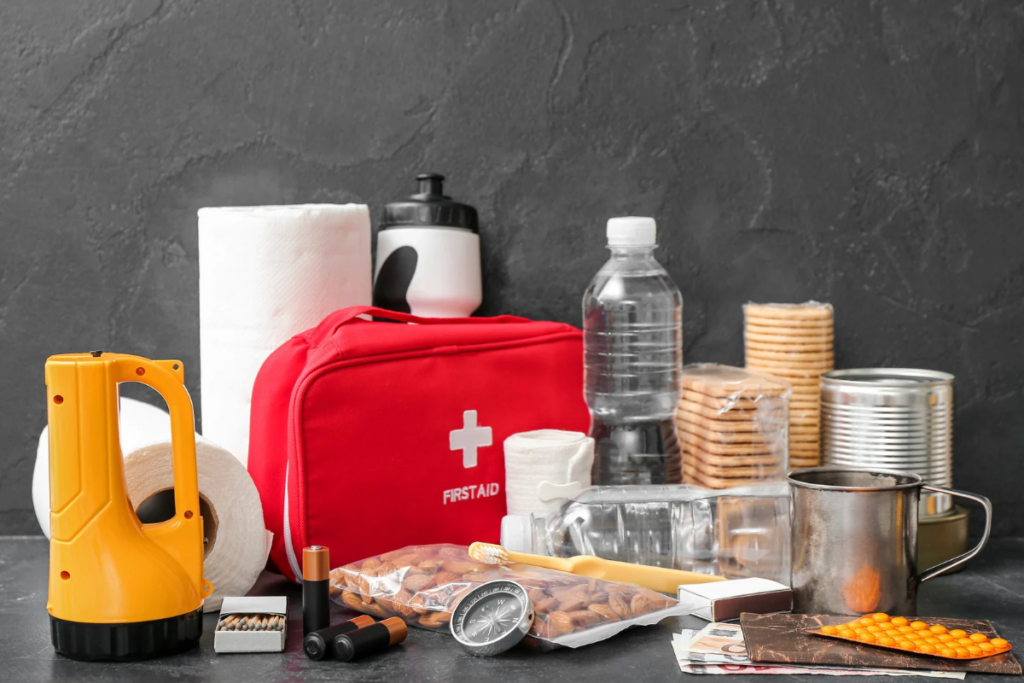
A well-prepared go bag should include survival necessities, emergency tools, important documents, and personal items. Here’s a basic checklist to help you get started:
Survival Essentials:
Water – One gallon per person per day (bottled or portable pouches)
Non-perishable food – Granola bars, canned goods, dried fruit, or emergency rations
First-aid kit – Bandages, antiseptics, pain relievers, and any prescription medications
Multipurpose tool – Includes a knife, screwdriver, and other useful features
Emergency Gear
Flashlight & extra batteries – Power outages are common in disasters
Portable phone charger (power bank) – A solar-powered version can be useful for extended emergencies
Whistle – Can help signal for assistance
KN-95 mask – Protects against smoke or airborne debris
Waterproof matches/lighter – Useful for warmth or cooking
Important Documents
Copies of IDs, passports, and birth certificates (some phones now allow digital storage of official documents)
Medical records & insurance details
Emergency contact list
Cash (small bills and coins) – ATMs may not be working
Clothing & Personal Items
Extra clothing – Weather-appropriate and comfortable
Sturdy shoes – You may need to walk long distances
Blanket or emergency thermal blanket – Helps retain body heat
Personal hygiene supplies – Toothbrush, toothpaste, soap, hand sanitizer, feminine products
Glasses/contact lenses – If you need them for vision
Special Considerations for Families / Pet Owners
Baby supplies – Diapers, formula, bottles, etc.
Pet essentials – Food, leash, medication, and any necessary supplies
Where to Keep Your Go Bag
Your go bag should be stored in an easily accessible location. Ideally, keep one near an exit at home, another in your car, and if possible, a smaller version at work. If you have a family, consider preparing one bag per person to ensure everyone has what they need. Since some supplies expire, check and refresh your go bag every six months, replacing water, food, baby supplies, and pet essentials as needed.
Prepare Now, Stay Safe Later
Being prepared isn’t about fear—it’s about taking practical steps to protect yourself and your loved ones. Having a go bag ready is a simple yet vital way to ensure you’re prepared for unexpected emergencies. I encourage everyone to take the time to put together a go bag today. Because in an emergency, every second matters.
Stay safe, stay ready!
RECENT POSTS