

WHY HAVING A GO BAG IS ESSENTIAL
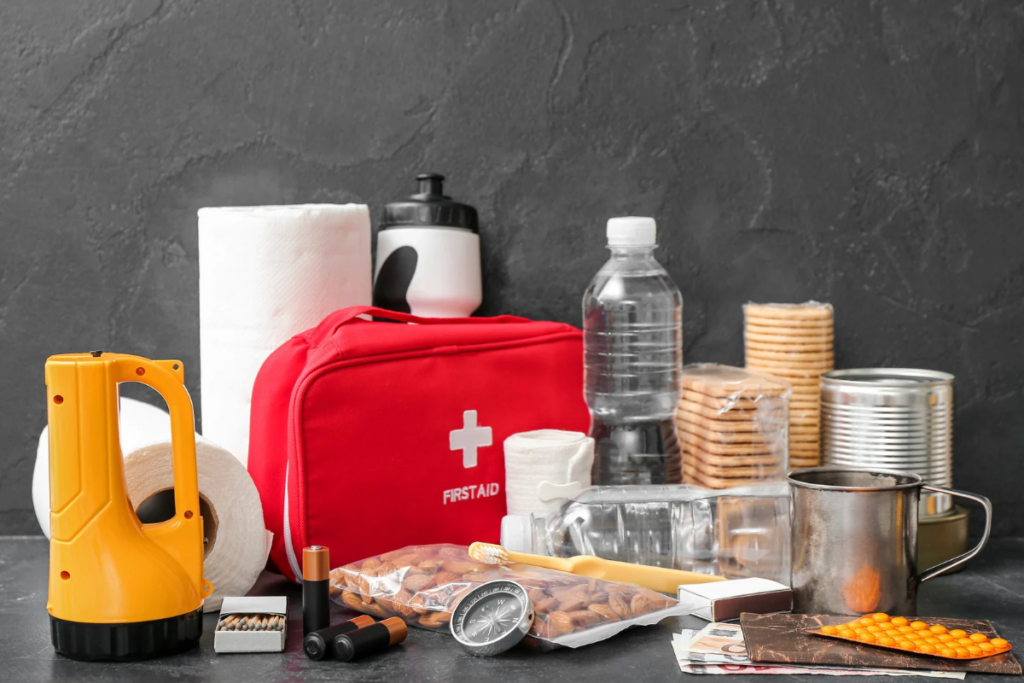
Are You Prepared? What you Need In Your Go Bag May 1, 2026 The Palisades and Altadena fires last year serve as a stark reminder that natural disasters can happen with little warning. Your safety is a priority, so take some time in the coming weeks to prepare and ensure you’re ready to act quickly if needed. Many people assume they’ll have plenty of time to gather essentials if an evacuation is ordered. However, in situations like wildfires or earthquakes, you may only have minutes to get out. A go bag ensures you have the necessities to stay safe and self-sufficient for at least 72 hours. During disasters, roads can become jammed, evacuation centers may fill quickly, and essential services might be unavailable. Being prepared means you can focus on reaching safety rather than scrambling for supplies at the last moment. What to Pack in Your Go Bag A well-prepared go bag should include survival necessities, emergency tools, important documents, and personal items. Here’s a basic checklist to help you get started: Survival Essentials:Water – One gallon per person per day (bottled or portable pouches)Non-perishable food – Granola bars, canned goods, dried fruit, or emergency rationsFirst-aid kit – Bandages, antiseptics, pain relievers, and any prescription medicationsMultipurpose tool – Includes a knife, screwdriver, and other useful features Emergency GearFlashlight & extra batteries – Power outages are common in disastersPortable phone charger (power bank) – A solar-powered version can be useful for extended emergenciesWhistle – Can help signal for assistanceKN-95 mask – Protects against smoke or airborne debrisWaterproof matches/lighter – Useful for warmth or cooking Important DocumentsCopies of IDs, passports, and birth certificates (some phones now allow digital storage of official documents)Medical records & insurance detailsEmergency contact list Cash (small bills and coins) – ATMs may not be working Clothing & Personal ItemsExtra clothing – Weather-appropriate and comfortableSturdy shoes – You may need to walk long distancesBlanket or emergency thermal blanket – Helps retain body heatPersonal hygiene supplies – Toothbrush, toothpaste, soap, hand sanitizer, feminine productsGlasses/contact lenses – If you need them for vision Special Considerations for Families / Pet OwnersBaby supplies – Diapers, formula, bottles, etc.Pet essentials – Food, leash, medication, and any necessary supplies Where to Keep Your Go Bag Your go bag should be stored in an easily accessible location. Ideally, keep one near an exit at home, another in your car, and if possible, a smaller version at work. If you have a family, consider preparing one bag per person to ensure everyone has what they need. Since some supplies expire, check and refresh your go bag every six months, replacing water, food, baby supplies, and pet essentials as needed. Prepare Now, Stay Safe Later Being prepared isn’t about fear—it’s about taking practical steps to protect yourself and your loved ones. Having a go bag ready is a simple yet vital way to ensure you’re prepared for unexpected emergencies. I encourage everyone to take the time to put together a go bag today. Because in an emergency, every second matters. Stay safe, stay ready! RECENT POSTS ARE DATA CENTERS COMING TO SB? News A Data Center at Earl Warren? Here’s What We Know October 27, 2026 A potential data center at Earl… Read More CHANGES TO CA ADU LAWS News More ADU Flexibility Is Coming in 2027 October 16, 2026 Beginning January 1, qualifying California… Read More NAVIGATING TWO SALES Buying,Selling How to Buy and Sell at the Same Time September 18, 2026 Buying a new home while selling your current… Read More THE MARKET SQUEEZE Buying Why Buying Here Takes Patience September 4, 2026 It’s common for buyers in Santa Barbara to be… Read More